
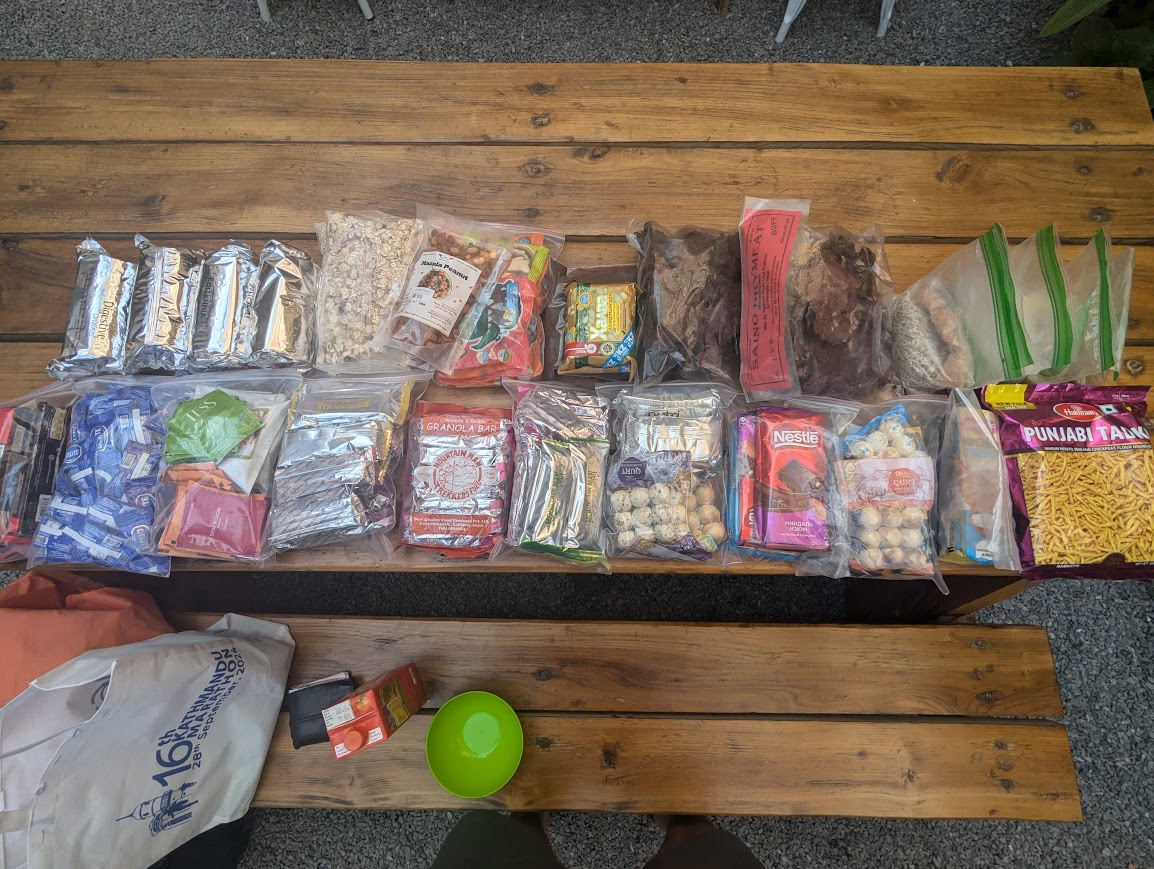
If you want to understand how important trail nutrition really is, try hiking 12 hours through the mountains on nothing but oats, pasta, and regret.
When I first started doing multi-day wilderness trips back in 2023, that was essentially my food strategy. I would stuff my backpack with oats, pasta, buckwheat, and a random assortment of sugary snacks, assuming that calories were calories and that would be good enough.
In reality, it wasn’t. After four or five days on trail I would often feel completely depleted, craving proper food and sometimes even considering finishing trips early just so I could eat something that resembled a real meal.
Over the last three years of spending most of my life wandering around mountain ranges, I’ve slowly learned a few lessons about eating properly in the backcountry. I’m certainly no nutrition expert, but after plenty of mistakes, questionable meals, and the occasional culinary disaster, I’ve picked up a few useful tricks.
In this blog, I’ll run through some of the do’s and don’ts of trekking food, based on what has (and very much hasn’t) worked for me on multi-day wilderness trips.
The Do’s
1. Do make a nutrition plan
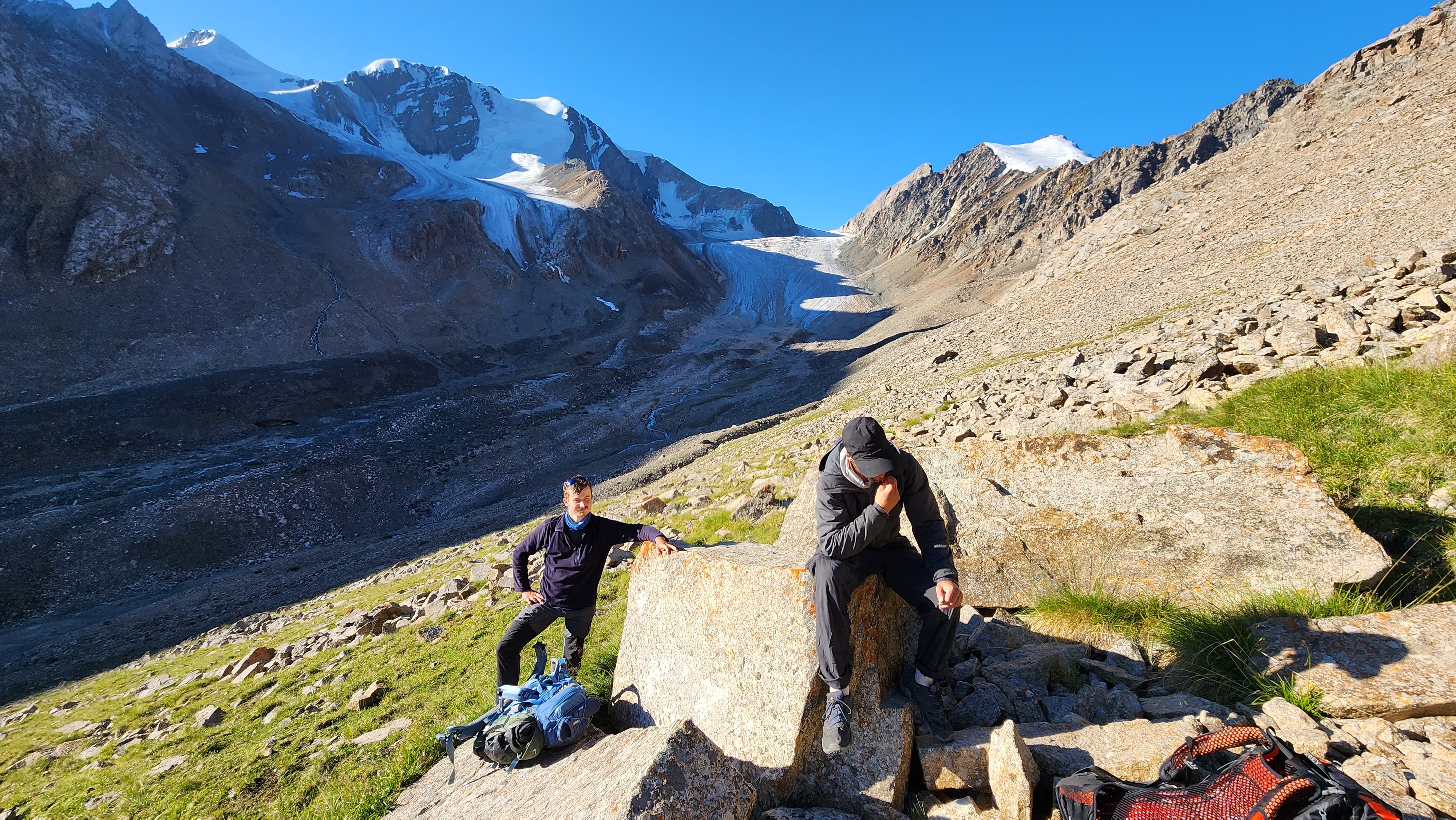
Making a nutrition plan is overlooked by so many trekkers, but it is absolutely crucial for longer wilderness trips.
It’s really important to understand how many calories your body needs per day. This will be significantly higher than your normal base caloric intake when not trekking. For example, when I’m on trail, I typically need around 4,000 calories per day just to maintain equilibrium.
Once you work out your daily caloric requirements, you can start planning how to break those calories down into specific food groups.
Carbohydrates, proteins and fats are the three major food groups in the backcountry. Sadly, it’s extremely difficult to get adequate fruit and vegetable nutrition on longer trips, as fresh produce perishes quickly. Consuming enough carbohydrates, particularly in the morning, is essential, ideally slow releasing carbohydrates like oatmeal is perfect. You then want to sustain that energy throughout the day with fast releasing snacks like chocolate, gummy sweets, granola bars, and dried fruit.
The evening is the optimal time to consume most of your protein, helping promote muscle recovery after a long day on trail.
Making a nutrition plan doesn’t have to be complex. Below is a very simple nutrition plan I personally follow. Feel free to use it or adapt it as you wish.
Sam’s Backcountry Nutrition Plan
Daily caloric requirement:- 4,000 calories per day
- 50% carbohydrates (2,000 kcal)
- 25% fats (1,000 kcal)
- 25% proteins (1,000 kcal)
- Oatmeal with milk powder, topped with nuts, dried fruit, and honey
- Dry granola if I’m not feeling too hungry
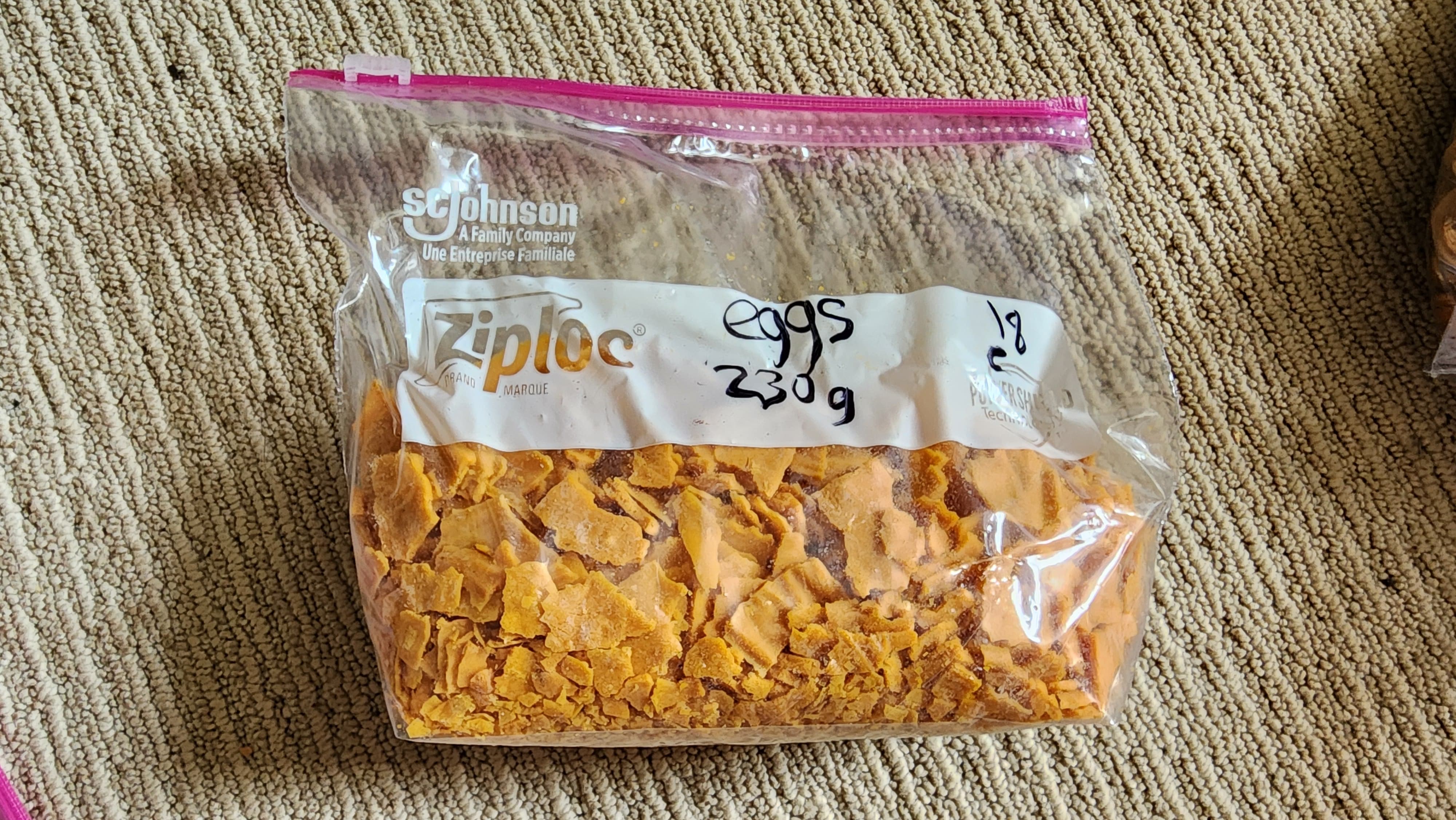
- Eggs and bread for the first few days
- Tortilla wraps with salami and cheese
- Canned tuna with bread (its heavy, but why not)
- Instant mash potatoes with salami (and ghee or butter for an extra caloric boost)
- Ramen (if I’m feeling extra lazy)
- Dehydrated chillies, daals, macaroni from Ian (occasionally)
- Gummy bears
- Chocolate bars
- Dried nuts and fruit
- Biscuits
- Granola bars
- Olives (great unique option if you’re in Central Asia, you can buy them in bulk in Almaty Bazaars)
- Salted crackers (great with cheese and olives)
- Chechel (its a type of preserved, smoked cheese found in Central Asia, it looks a bit like string cheese)
If you’re a global vagabond trekking around the world like myself, you’ll quickly learn the importance of having a flexible nutrition plan.
Food availability varies massively from country to country, and adapting can be challenging. For example, Nepal is set up for hiking tourism, and you’ll find granola bars in almost every shop in Kathmandu. In Kyrgyzstan, not so much. Instead, you’ll mostly find questionable Russian chocolate.
This is why flexibility is so important. If you can’t find what you crave, look for clever alternatives. If you’re heading out on a shorter trip, it can also be worth bringing your favourite snacks from home to your trekking destination.
2. Do focus on caloric density
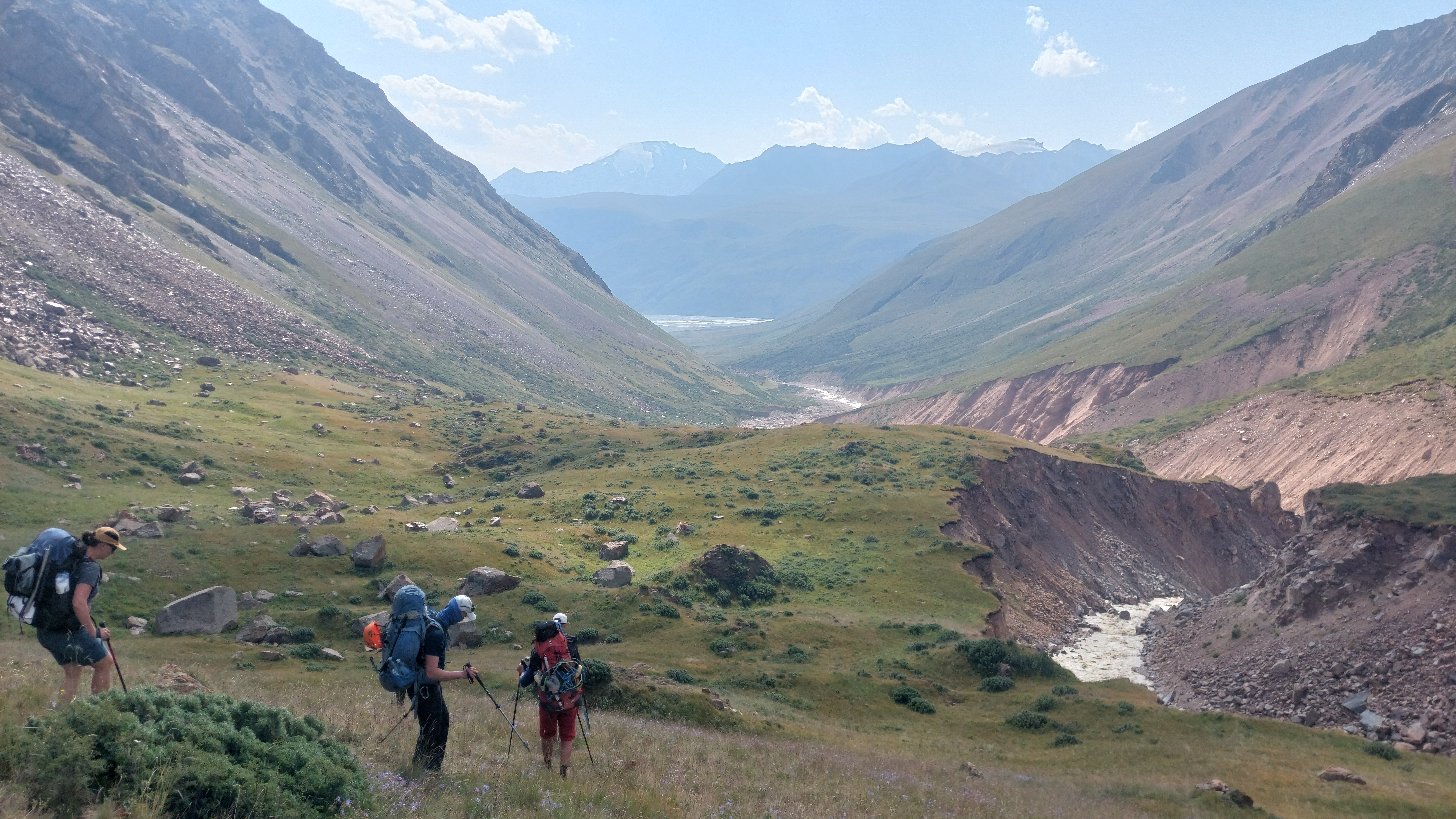
If you’re like me and have already accepted your fate, knowing you’re going to turn into a mountain mule, go full Russian mountaineer mode, and stop caring about how much weight you’re carrying, then you can probably ignore this section.
Otherwise, keep reading…
When I say caloric density, I’m referring to focusing on highly caloric foods that don’t take up too much space or weight in your pack.
Especially on longer backpacking trips, every calorie and every gram matters. Below are some great examples of calorically dense backpacking foods to consider for your next trek.
- Nut butters: Peanut butter and almond butter are no secret in the trekking world. You could also consider taking butter, or ghee if you have the luxury of being in India or Nepal.
- Salamis: Although incredibly unhealthy and full of preservatives, salamis keep well and are extremely calorie dense.
- Cheese: Most people look confused when I say I take fresh cheeses into the wilderness, as if they won’t last long. In reality, most cheeses will last up to five days, especially in cooler conditions, and they are an excellent source of calories and fats.
- Milk powder: This is about as good as it gets for calorie to weight ratio. In 100 grams of milk powder, you get roughly 500 calories.
- Nuts: Walnuts, pecans, and Brazil nuts contain around 750 calories per 100 grams, not to mention being an excellent source of protein.
3. Do try and ration your food throughout your trek
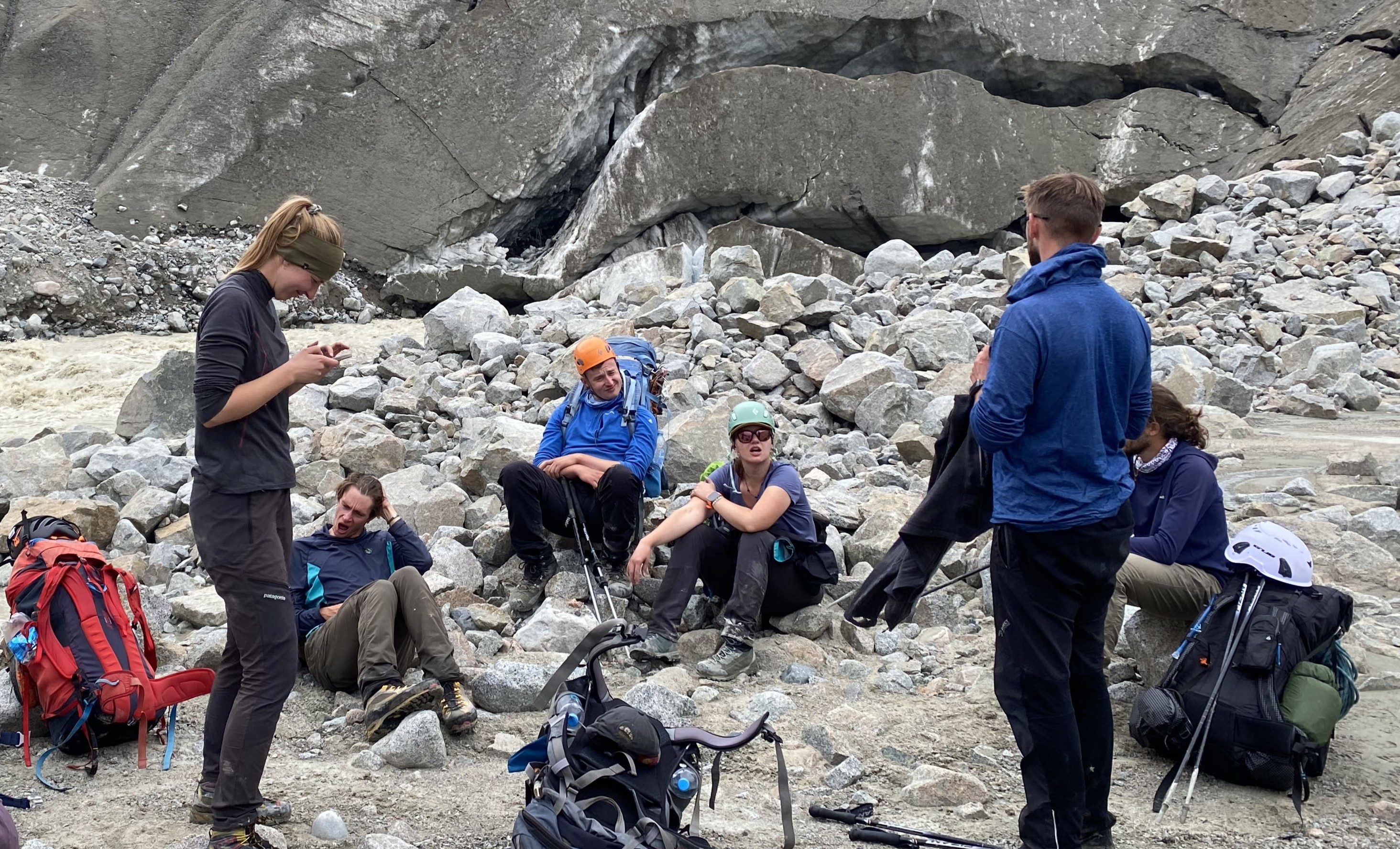
In other words, don’t eat all your favourite food in the first couple of days.
Unfortunately, I am very guilty of this. I’ve often eaten my entire ten day ration of salami, cheese, and favourite gummy sweets within the first few days, leaving myself with nothing but bland, boring food for the remaining eight days. And trust me, flavour fatigue hits quickly, and it hits hard.
That’s why rationing is so important.
One small trick I’ve had success with is assembling a little lunch box at the start of the day, when I’m not dealing with major cravings. I set this aside and keep it easily accessible in the side pocket of my backpack throughout the day. As for the rest of my food, I try to make it as inaccessible as possible.
As for the midnight sugar cravings, that’s a completely different issue that I’m yet to resolve, and most likely never will.
4. Do treat yourself and take a few days’ worth of fruits and vegetables
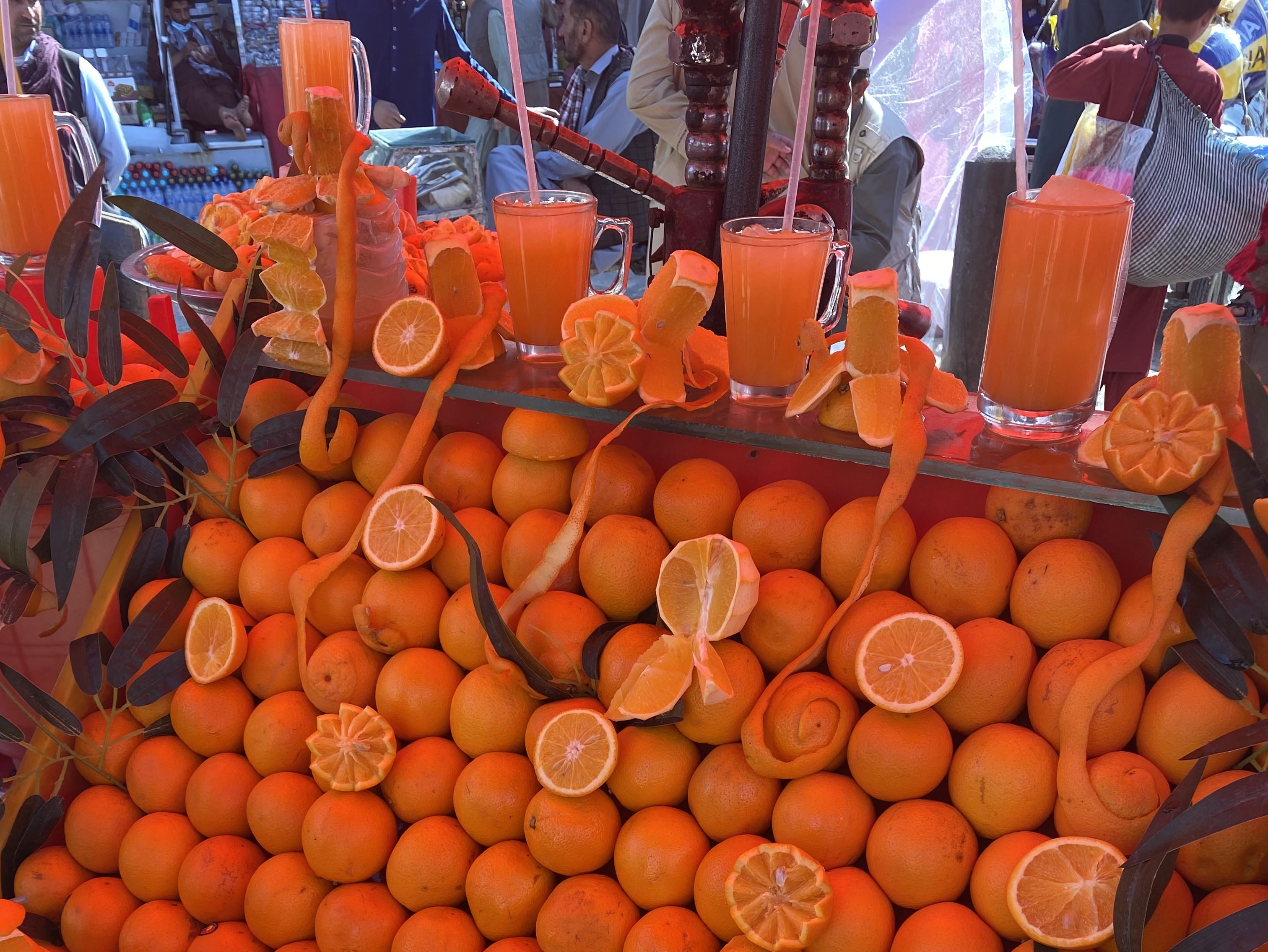
I know this one splits opinion and directly contradicts the second “do” about focusing on caloric density, as fruit and vegetables are pretty much the opposite of that. But sometimes, you have to choose your luxuries on trail.
You definitely won’t have the luxury of a light backpack, but the way I see it is that all of this food will be eaten within the first few days anyway. So what’s the big deal in carrying a few extra kilos early on?
Fruits and vegetables I often bring with me on trail:- Apples: Heavy as hell, but absolutely worth it for the freshness.
- Red peppers (capsicum): A great addition to evening meals to freshen things up a bit.
- Tomatoes: Excellent alongside evening meals or lunches, but they squash easily and can make a massive mess.
- Grapes: I usually buy them right before leaving the city and eat them all on the first day for a little extra kick of motivation.
5. Do think about digestion, not just calories
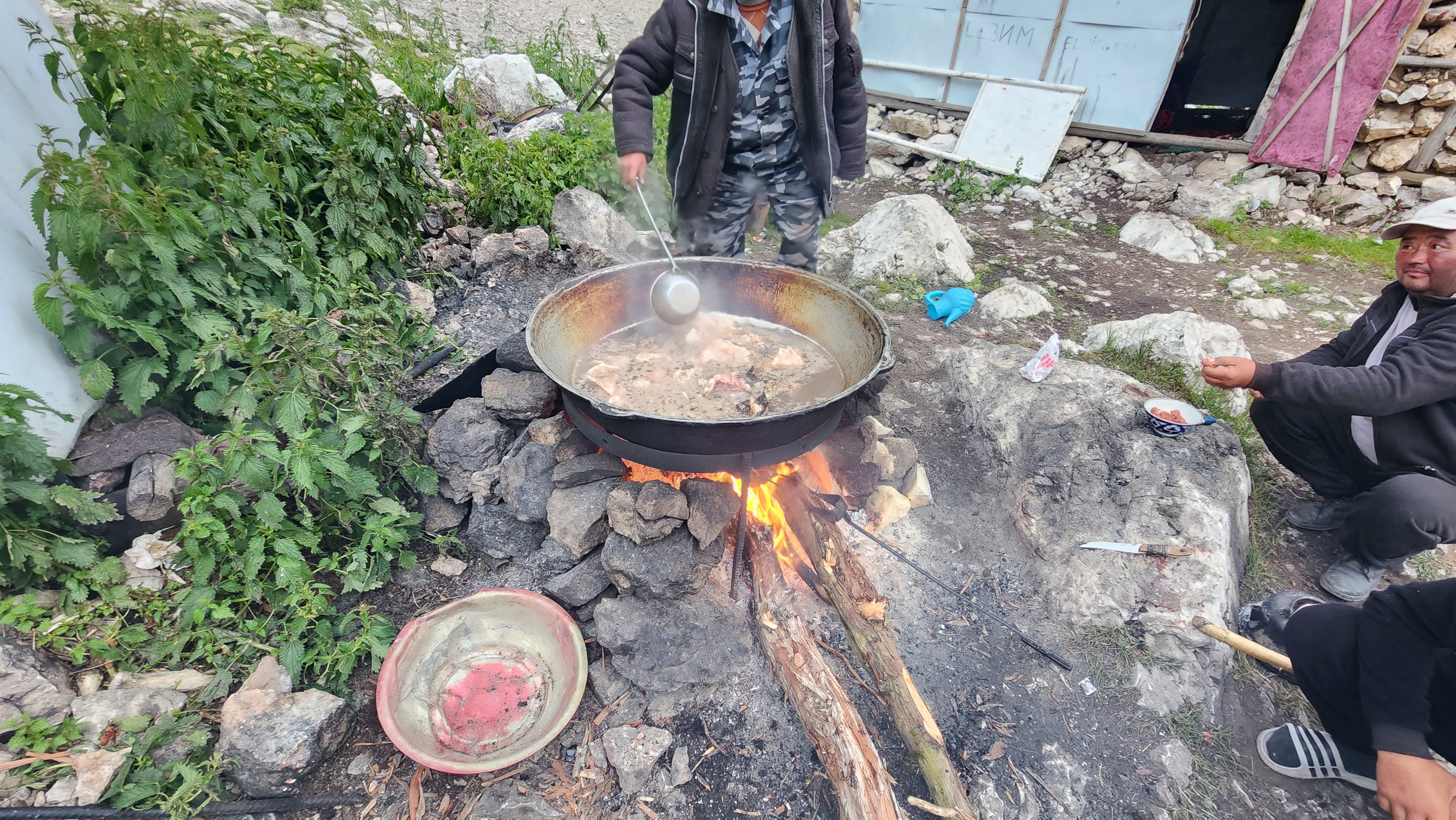
It may seem obvious, but people still ignore it. You have to consider your gut health while on trail.
First things first: having a diverse variety of food on trail is crucial. No matter how “healthy” a food is, eating too much of any one thing makes it difficult for your body to digest. The result? You end up hiking with a bloated stomach, feeling low on energy, and dealing with massive flavour fatigue.
For example, one guy I hiked with in Kyrgyzstan in autumn 2025 simplified his trekking food to oatmeal, dry nuts, lentils, pasta, olive oil and a few sweet treats for a nine day trek. Watching him eat such a tasteless diet was painful. He made it through the trek, but for large stretches he was low on energy and suffering gut complications. You can imagine the rest.
That’s why it’s important to carry a good volume of easily digestible foods. On paper, nuts, lentils, and pasta sound like solid energy sources, but if your body can’t digest them properly, that energy never reaches your muscles.
My number one source of easily digestible carbohydrates these days is instant mashed potatoes. Literally just add boiling water. If you’re in Central Asia, you can find them in larger supermarkets like Globus or Frunze.
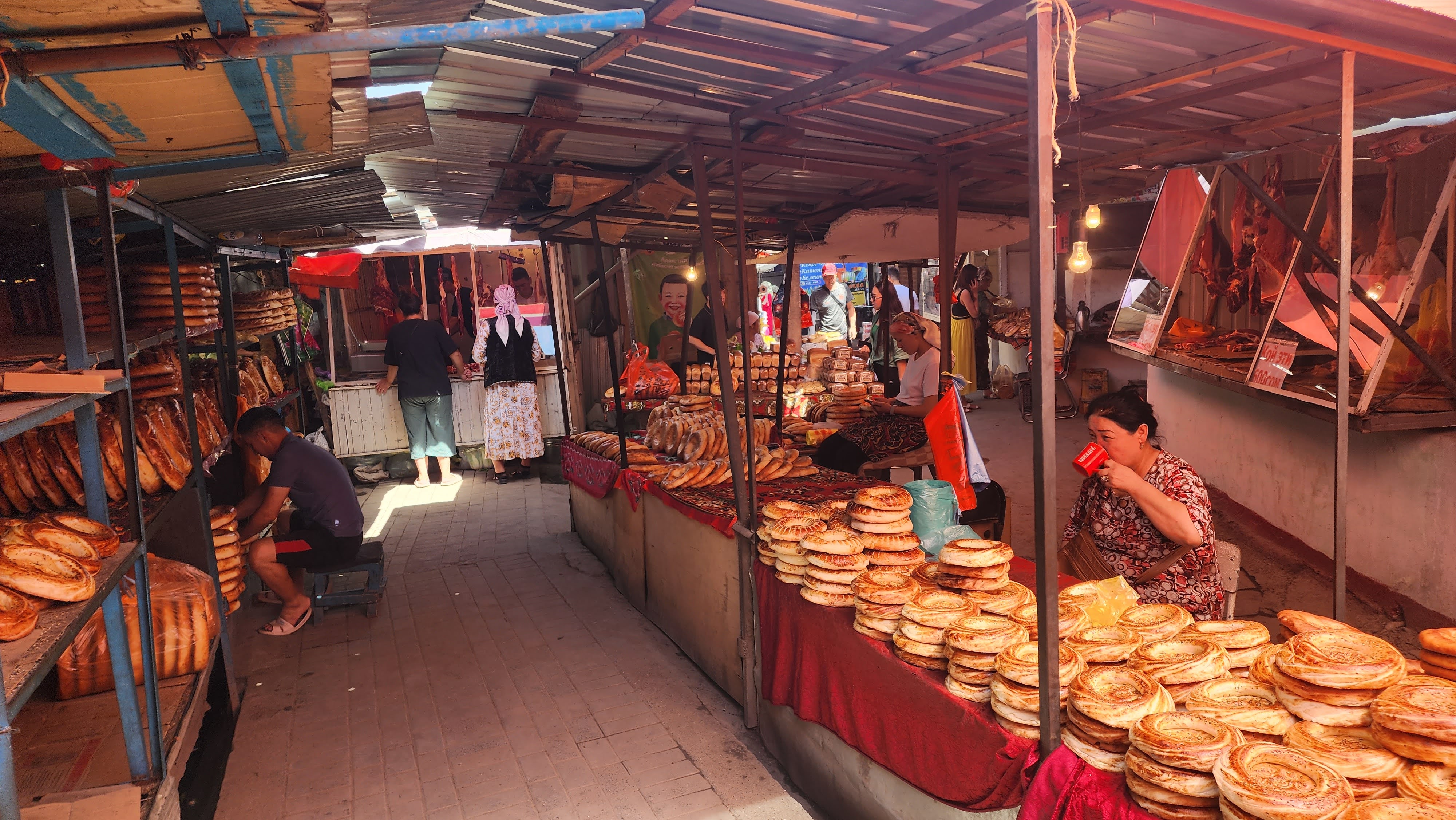
6. Do consider dehydrating your own meals
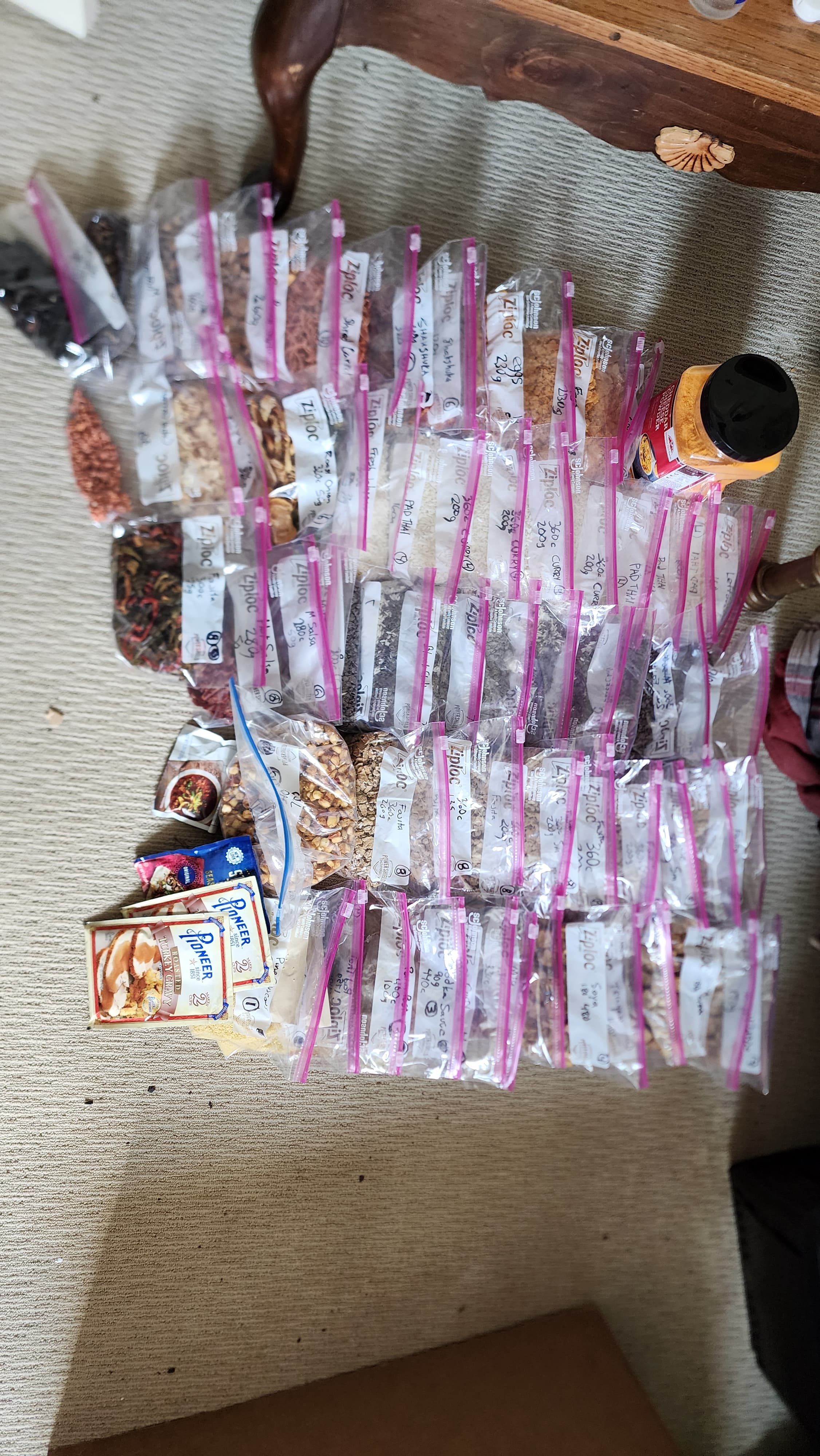
It’s a somewhat unconventional approach, I must say, but boy is it a game changer.
Never in a million years would I have considered this before meeting Ian, fellow Co-Founder and Mountain Guide at Great Goat Expeditions. Each off season, Ian prepares around 250 backcountry trekking dinners using his own dehydrator, from chillies to daals to chickpea curries. He then ziplocs each meal separately and carries them over to Central Asia for the full season in a massive duffle bag.
Unconventional, but innovative, right?
It’s a fantastic idea if you have the chance. Dehydrated meals are excellent sources of macronutrients and are also fibrous, perfect for that evening meal. Considering that both Central and South Asia don’t have the luxury of pre made dehydrated meals available in supermarkets, this might be the only alternative, and it’s surprisingly budget friendly too.
7. Do pack an extra day’s food, JUST IN CASE
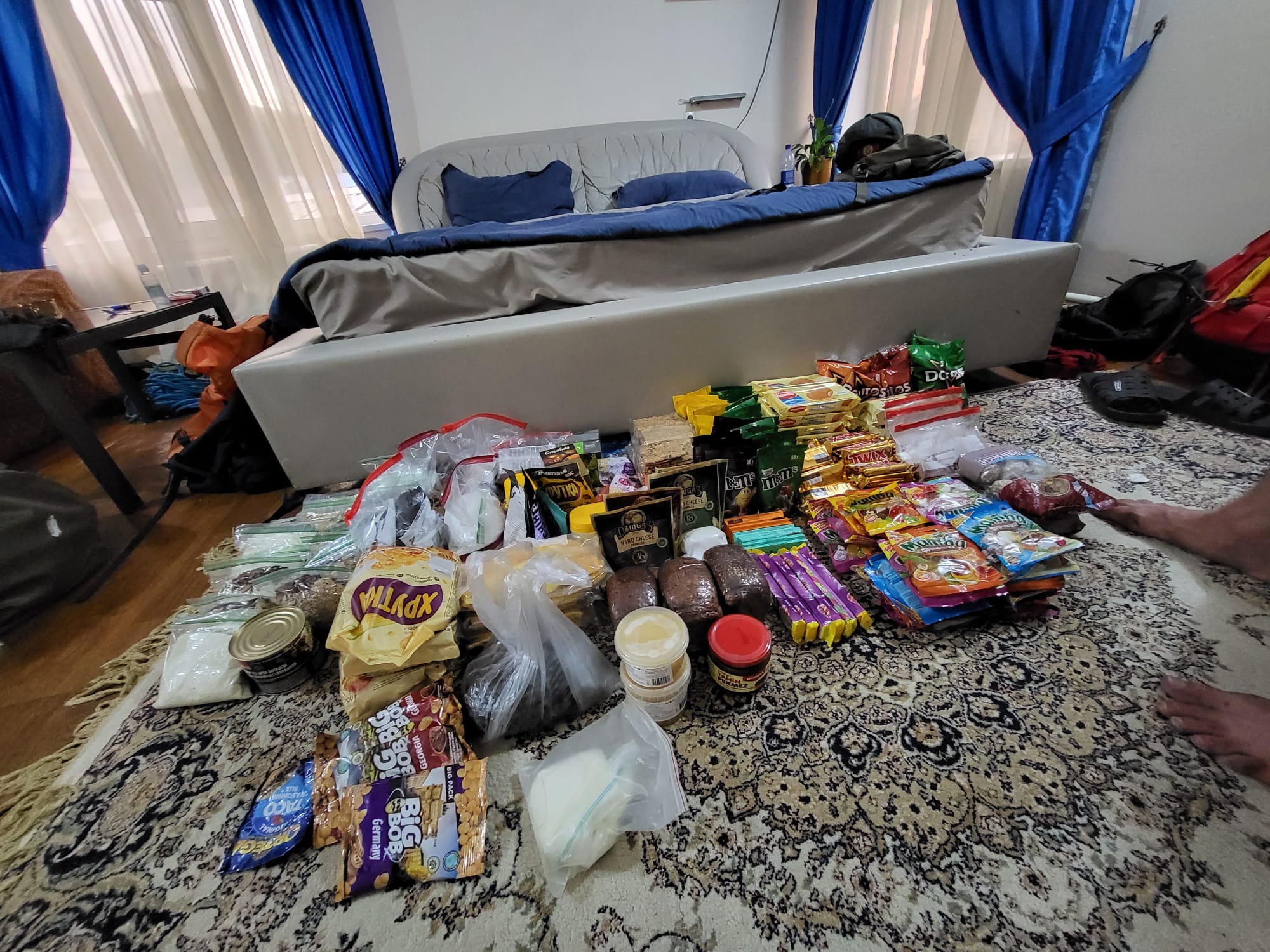
This is really important on longer wilderness trips where there are limited quick routes back to civilization. I know it can go against the whole concept of ultralight backpacking. Often that extra day’s food won’t be necessary, and you’ll end up carrying it out of the mountains.
However, you never know what lies ahead. Sometimes the terrain is much more challenging than the maps suggested, or someone in your group gets injured and you fall behind schedule. In those situations, it’s absolutely worth carrying the extra weight to ensure you have the food needed to get safely out of the mountains.
Of course, the longer the trek, the greater the potential for falling behind schedule. As a general rule, I normally carry 10% more calories than I anticipate needing based on the number of trekking days. Though that doesn’t help when I eat through five days of food in the first two days.
The Don’ts
1. Don’t ever think buckwheat, MSG, and beef salami is a good combination
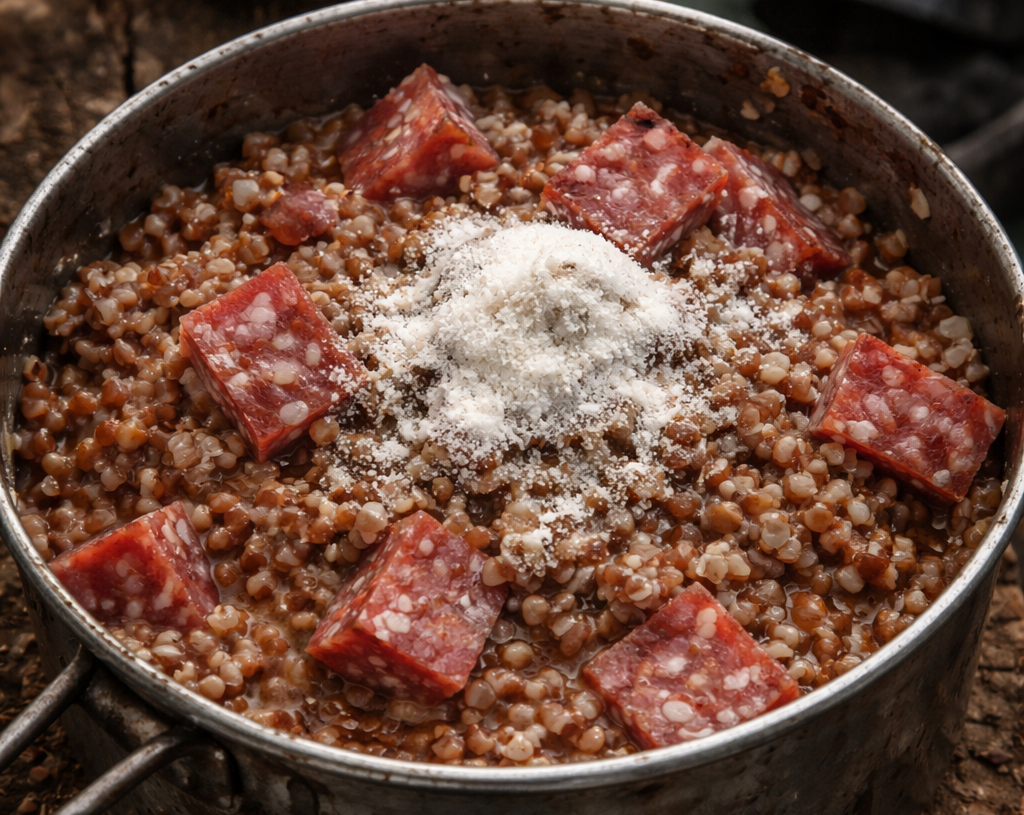
It really isn’t.
Back in the early days of my trekking career, I stumbled across the combination of buckwheat (or grechka, as our Russian friends call it), MSG, and beef salami. I would personally describe this as one of the most disgusting backcountry culinary disasters known to mankind.
The worst part is that I spent an entire summer making this meal almost every night while camping in Kyrgyzstan.
2. Don’t restrict your consumption of sugars
This is a hard concept to sell to the health freaks out there, but you need to treat your trail diet and your normal city diet as two completely separate things. It goes without saying.
On strenuous trips where you’re hiking eight to ten hours a day, your body is in constant need of fast energy. It simply can’t get this from complex carbohydrates alone. The reality is that your body needs fast releasing glucose, which is mostly found in sweets, chocolate, biscuits, and similar foods.
I’m not trying to convince you that this is healthy, but it is necessary. At least on trail, your body is actually putting that sugar to use rather than unnecessarily storing it.
It probably also explains the positive correlation between long distance hikers and high dental costs. There’s no coincidence there.

3. Don’t eat food you dislike
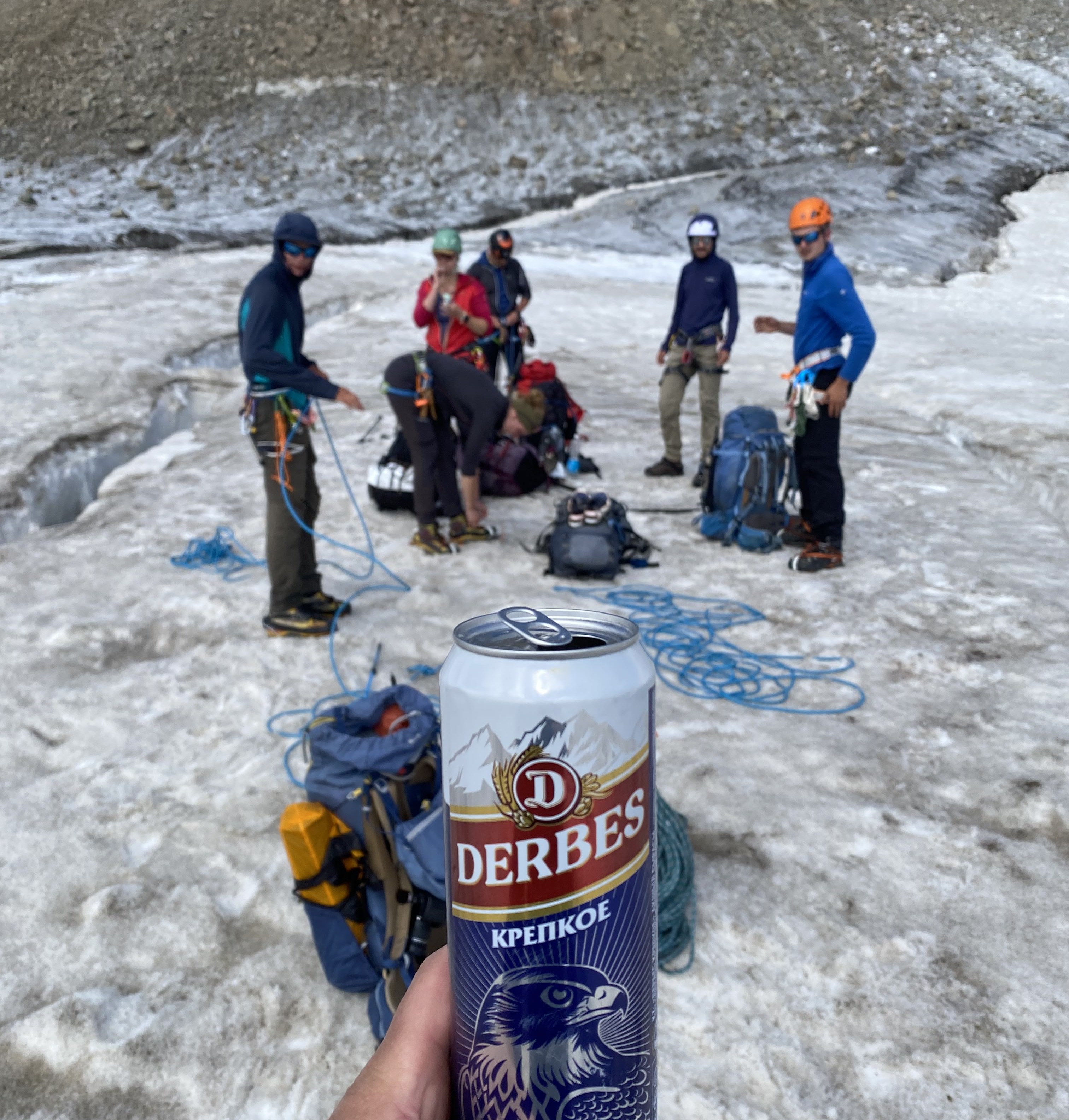
I feel like there are a lot of people out there telling you what you should eat on a multi day trek. And okay, I get it to a point. You do need some structure and discipline in your backpacking meals to hit the right macronutrients and calories.
However, if you don’t like something that’s supposedly good for you on trail, don’t eat it. It really is that simple.
Think of it this way. If you eat foods you actually enjoy, your morale will be higher, and high morale is a type of fuel in itself.
In the early days of my trekking career, I used to pack a lot of dried fruit such as apricots, raisins, and banana chips, because they’re commonly recommended as a source of fast energy. I never really enjoyed them, and over the months and years I became increasingly tired of forcing them down.
It wasn’t until last year, in 2025, that I finally ditched dried fruit altogether and used that weight allowance for actual fresh fruit, or simply more gummies and chocolate. Foods I could genuinely look forward to when I found that perfect spot on a mountain to stop for a coffee break.
Final Remarks
Well, that’s about all I know when it comes to preparing trail food. And let’s be honest, I don’t even stick to a lot of the principles I’ve laid out in this post. That said, the points are still valid and genuinely useful, especially for trekkers with slightly more discipline than myself.
When it comes to trail nutrition, everyone has their own style and way of doing things. Some people go ultra light, counting every calorie and every extra gram. I tend to take a much more nonchalant approach. Sometimes it pays off, other times I very much reap the consequences.
If there’s one final takeaway, it’s this. The biggest improvement I’ve made to my backcountry nutrition has simply been making sure I enjoy the food I bring. Keeping things varied to avoid flavour fatigue, and never feeling guilty about eating two packets of gummies a day.
Oh, and also, try to ration as best as you can!
Epilogue: Trail Food Disasters
A blog post of this nature probably deserves a short epilogue dedicated to a few culinary disasters I’ve either experienced firsthand or witnessed on trail. After all, no amount of careful planning can completely protect you from terrible backcountry cooking decisions.
1. The Chickpeas That Never Softened
Terskey Ala-Too, Kyrgyzstan, 2025
On paper, dehydrated chickpeas sound like a brilliant trekking food. They’re lightweight, high in protein, and easy to pre-season before drying.
In reality, they take an eternity to cook.
I learned this the hard way in Kyrgyzstan last year when Ian generously offered me a few of his dehydrated chickpea meals to supplement my own dinners of instant mashed potatoes. It seemed like a great idea at the time.
After forty minutes of boiling them on my stove, however, the chickpeas were still completely rock solid. By that point I had already burned through a worrying amount of gas and didn’t have the luxury of continuing the experiment.
So I ate them anyway.
The result was predictable: a deeply unsatisfying dinner followed by one of the most aggressive IBS episodes I’ve ever experienced in a tent.
Lesson learned.
2. Robert’s Olive Oil Overdose
Kokshaal-Too, Kyrgyzstan, 2025
Back in autumn 2025, Robert, a German guy who joined us through one of Kyrgyzstan’s wildest regions, in his infinite wisdom took the importance of caloric density at face value and decided it was wise to bring a large bottle of olive oil in his pack, which he would consume at an alarmingly fast rate.
The result: Robert probably took more toilet breaks than myself, Ian and Ted, the three other hikers on that trip, combined.
3. In the Words of Johanna: The Great Cheese Spatzle Debacle
Greenland
Young, inexperienced and broke as can be, we decided to forgo expensive dehydrated trekking meals in favour of Lidl’s dried cheese spatzle (a type of pasta). Unfortunately for us, we didn’t do a preliminary taste test.
The result: we took the first bite on our first evening on trail, only to discover it was absolutely horrendous. And we were stuck with that crappy cheese pasta for the next 10 days.