If I had a dollar for every time someone asked, “How safe is trekking in Kyrgyzstan?” I’d be a very rich man.
The truth is, Kyrgyzstan remains something of an unknown destination for many travellers. While that sense of remoteness is part of its appeal, it also means there’s far less practical information online compared with more established trekking regions.
So we decided to put together a straightforward guide based on real experience in the mountains.
In this article, we’ll take an honest look at trekking safety in Kyrgyzstan, the genuine risks to be aware of, and the simple steps you can take to stay safe while exploring one of the world’s most rewarding mountain landscapes.
So, Is Trekking in Kyrgyzstan Safe?
Yes. For most trekkers, Kyrgyzstan is a safe destination when approached with proper mountain awareness and preparation.
The main risks are environmental rather than criminal, including weather, river crossings, altitude, and navigation in remote terrain.
The Main Risks of Trekking in Kyrgyzstan
Risk 1: Weather
Weather in the mountains is, without question, one of the biggest hazards when trekking in Kyrgyzstan.
Conditions in the Tien Shan can be highly changeable, even during the summer months. It is entirely possible to experience sunshine, wind, rain, and even snow in a single day as you move through different elevation zones. When combined with remote terrain, poor visibility, and exposure, this can quickly create serious situations.
The key is not trying to avoid every bad weather window. It is being properly prepared for it.
Our Tips for Staying Safe in Bad Weather
- Carry Proper Waterproofs: A reliable waterproof jacket and rain cover for your pack are essential for trekking in Kyrgyzstan. Once clothing and sleeping gear become wet, temperatures can feel far colder and morale can drop quickly.
- Start Early Each Day: Weather in the Tien Shan often follows a familiar mountain pattern: clearer mornings, with cloud build-up and possible storms developing later in the day. Starting early gives you the best chance of crossing passes, exposed ridgelines, and difficult terrain before conditions deteriorate. From experience, being caught on a high pass in a lightning storm is not only miserable, it can also be genuinely dangerous. You do not need to finish hiking by early afternoon, but ideally you should be beyond the most committing part of the day before the weather turns.
- Use a Satellite Device for Forecasts: A satellite communicator or GPS device with weather updates can be extremely useful in remote areas where there is no mobile signal. Even a basic forecast can help you decide whether to push on, wait, or adjust plans.
Risk 2: Animals (Wild & Domestic)
Wild Animals
Kyrgyzstan is home to wildlife including wolves, brown bears, and snow leopards. However, encounters with large predators are extremely rare.
Across many years trekking in remote parts of the country, I have heard a wolf once in the distance and never seen a bear. In most cases, these animals are far more likely to avoid humans than approach them.
While wildlife exists, it is not the primary animal risk for trekkers.
Domestic Animals
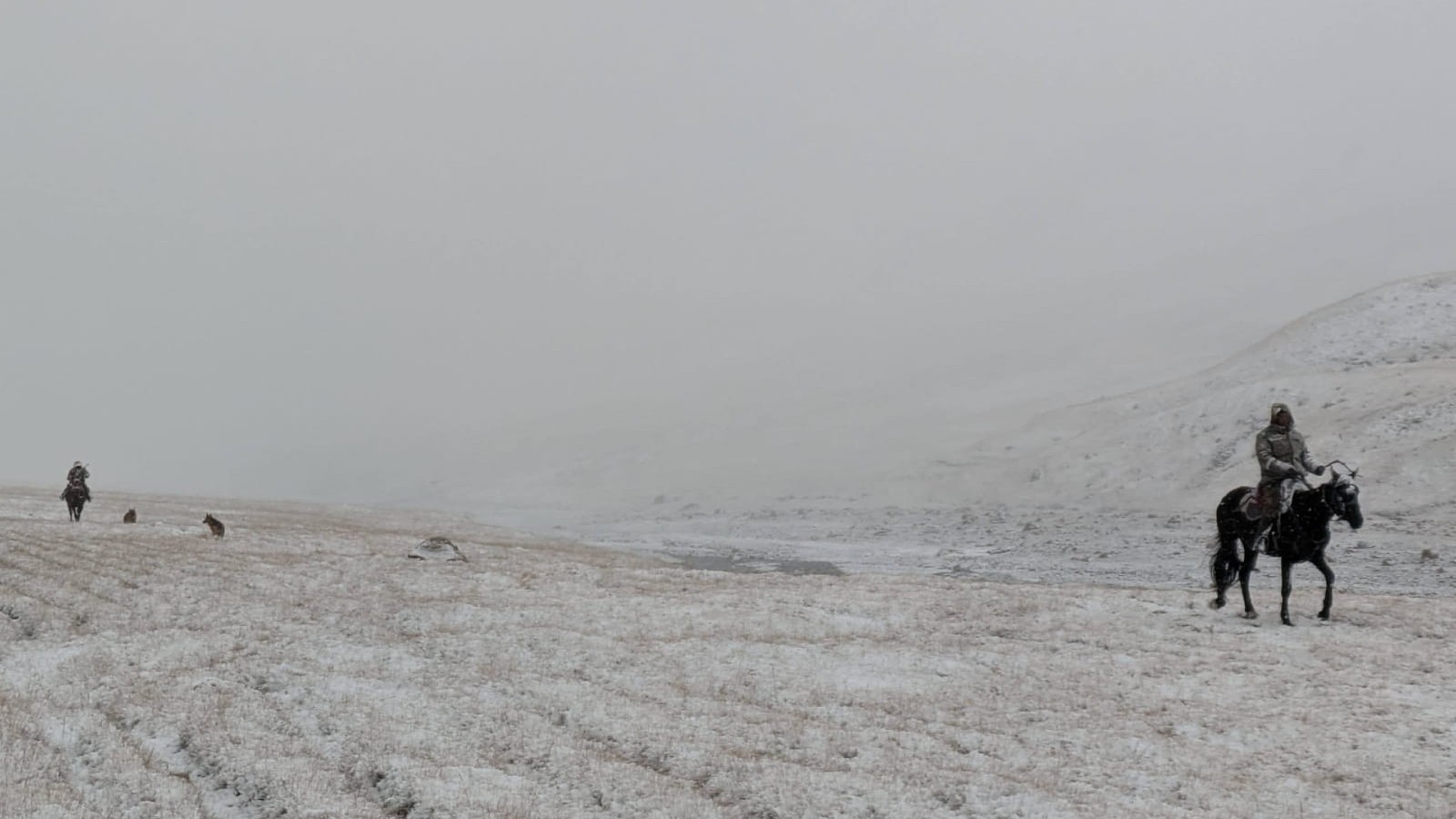
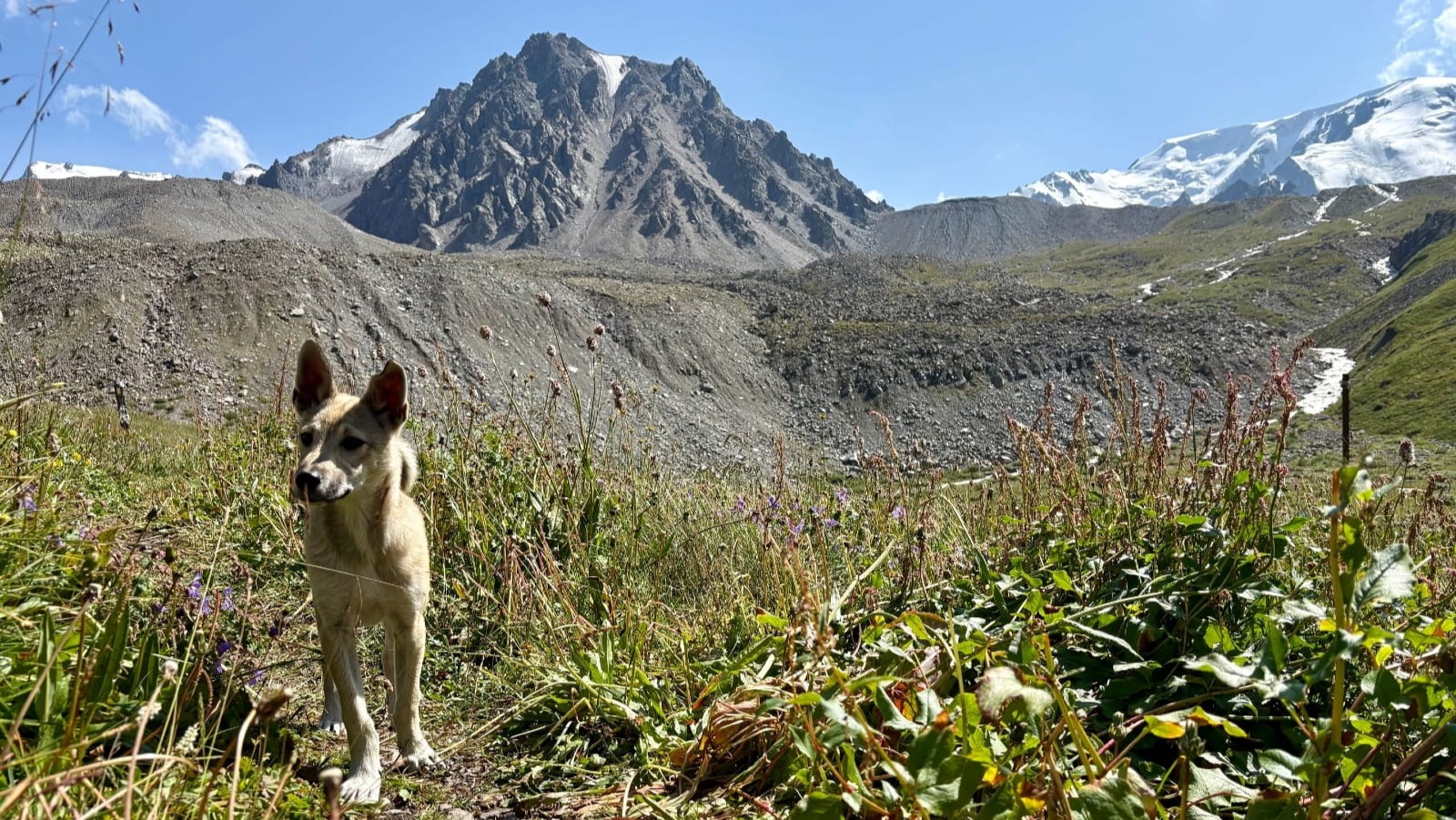
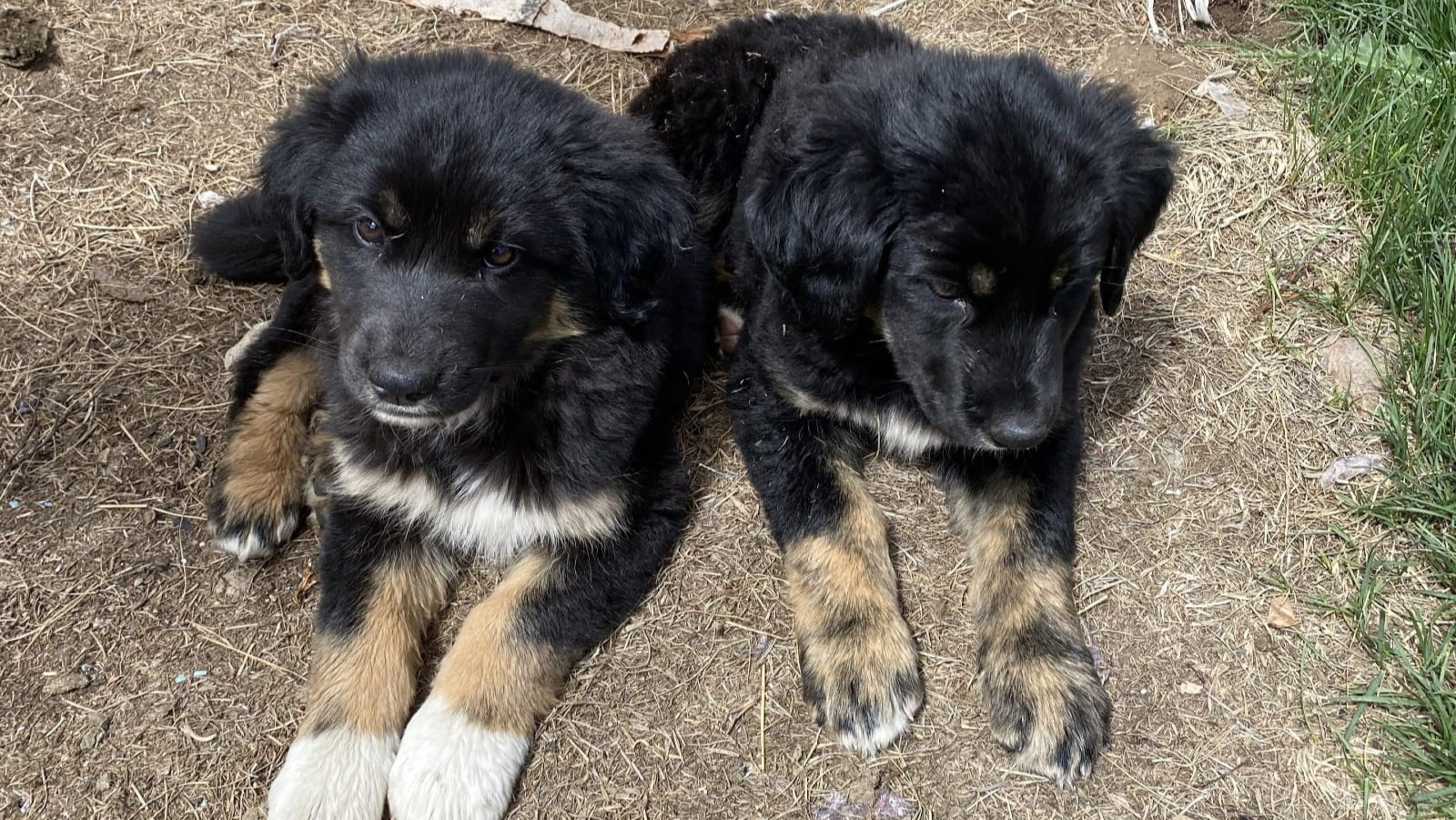
A more realistic concern is livestock guardian dogs around shepherd camps and nomadic settlements.
Often large breeds similar to German Shepherds or Central Asian Shepherd Dogs, they are used to protect livestock and can be highly territorial.
Most are doing their job rather than looking for trouble, but it is sensible to treat them with respect.
Our Tips for Staying Safe Around Animals
- Give Shepherd Camps Plenty of Space: If possible, pass wide around yurt camps, corrals, and grazing areas, especially if dogs are visible. Many dogs are calm or friendly, but not all of them are. Giving camps space is usually the simplest way to avoid problems.
Risk 3: Altitude Sickness
As a country that is roughly 93% mountainous, large parts of Kyrgyzstan sit at significant elevation, which means altitude should be taken seriously when trekking here.
To give some perspective, many towns at the foot of the mountains already sit between 1,500 and 2,500 metres above sea level. Karakol, for example, is around 1,700 metres. From there, many wilderness treks climb to 4,000 metres or higher depending on the route.
Altitude sickness can begin from around 2,500 metres, though it is more commonly seen above 3,000 metres. The higher and faster you ascend, the greater the risk.
Our Tips for Preventing Altitude Sickness
- Allow Proper Time for Acclimatisation: There is no shortcut to acclimatisation. The most effective strategy is simply giving your body enough time to adapt. If you gain significant elevation, consider adding rest days. Where possible, follow the classic approach of hiking higher during the day and sleeping lower at night. Just as importantly, walk at a sustainable pace and avoid unnecessary overexertion.
- Ascend Gradually: If your itinerary allows, increase sleeping altitude progressively rather than making sudden jumps to high camps. Even one extra night at moderate altitude can make a noticeable difference.
- Know the Warning Signs: Common early symptoms include headache, nausea, poor sleep, fatigue, dizziness, and loss of appetite. If symptoms worsen, do not continue ascending. Rest, monitor carefully, and descend if needed.
- Consider Diamox: Diamox can be an effective preventative tool and is commonly used for altitude management. I personally do not use it routinely, as I find the side effects irritating. That said, if you have a history of altitude sickness or a rapid ascent profile, it is worth discussing with a medical professional before your trip.
Risk 4: Navigation & Getting Lost
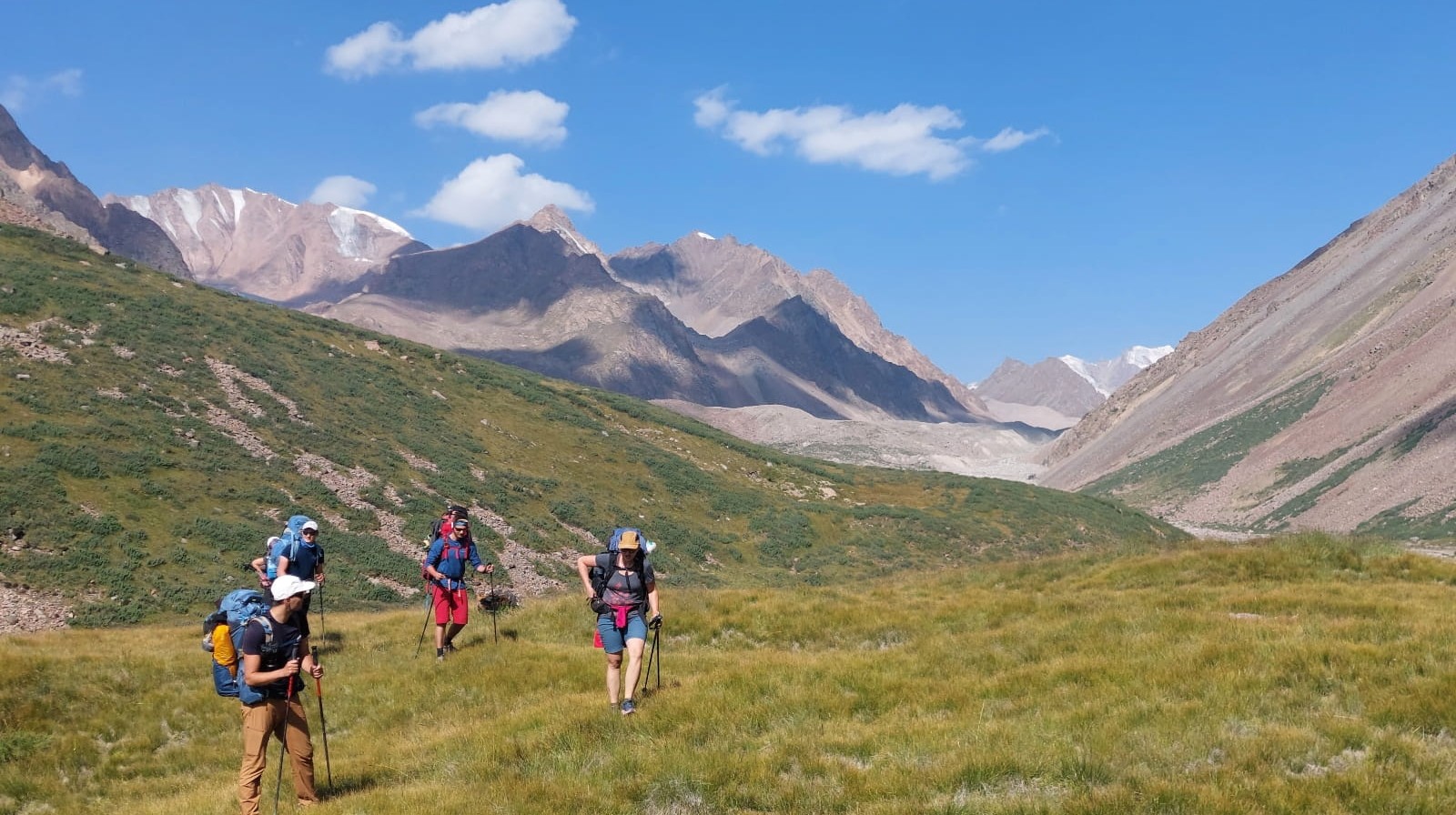
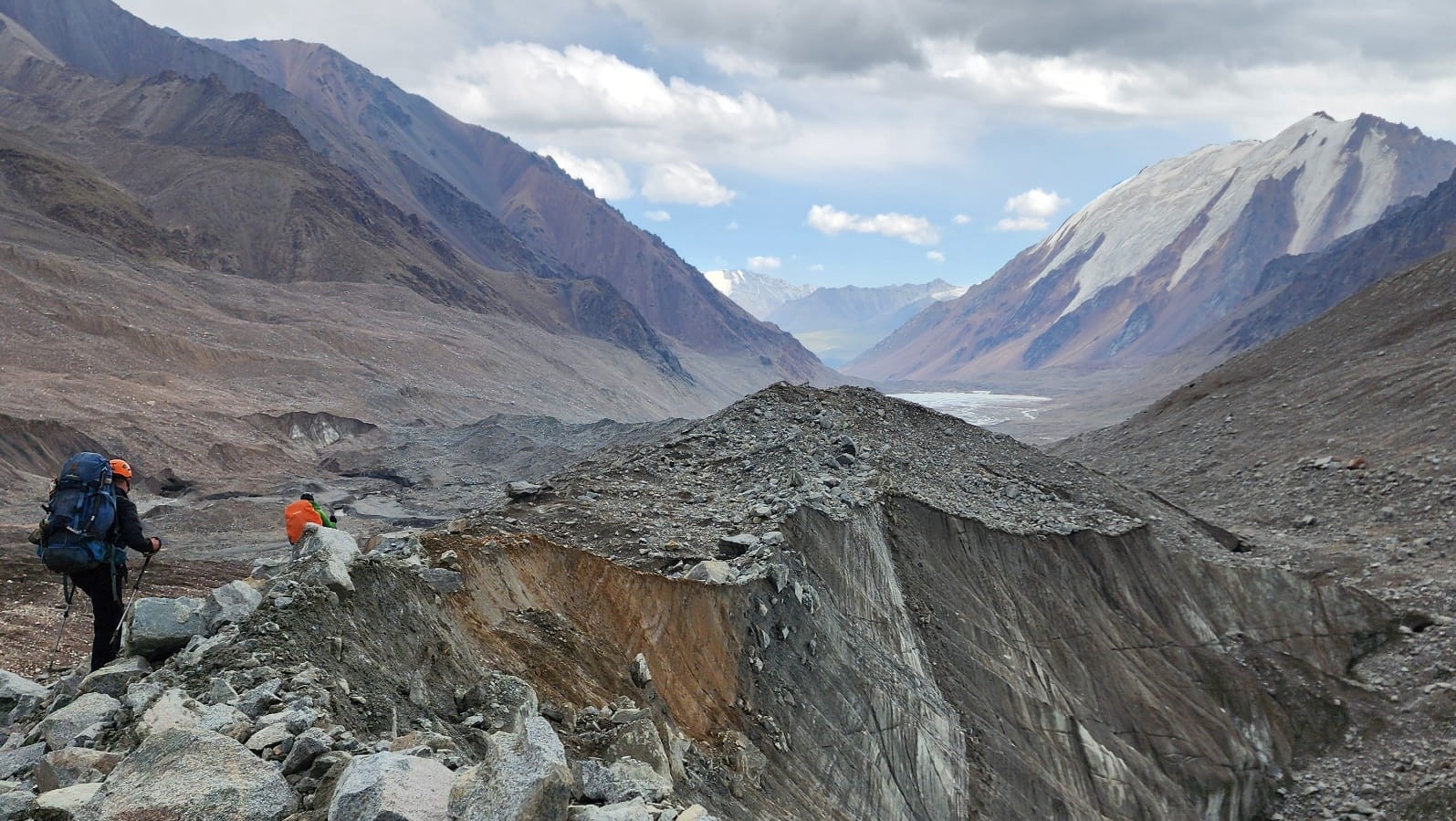
Kyrgyzstan and the vast Tien Shan Mountains are genuinely wild places, and having solid navigation skills is essential when trekking here. Once you move deep into the mountains, settlements become few and far between, and mobile signal is often completely nonexistent.
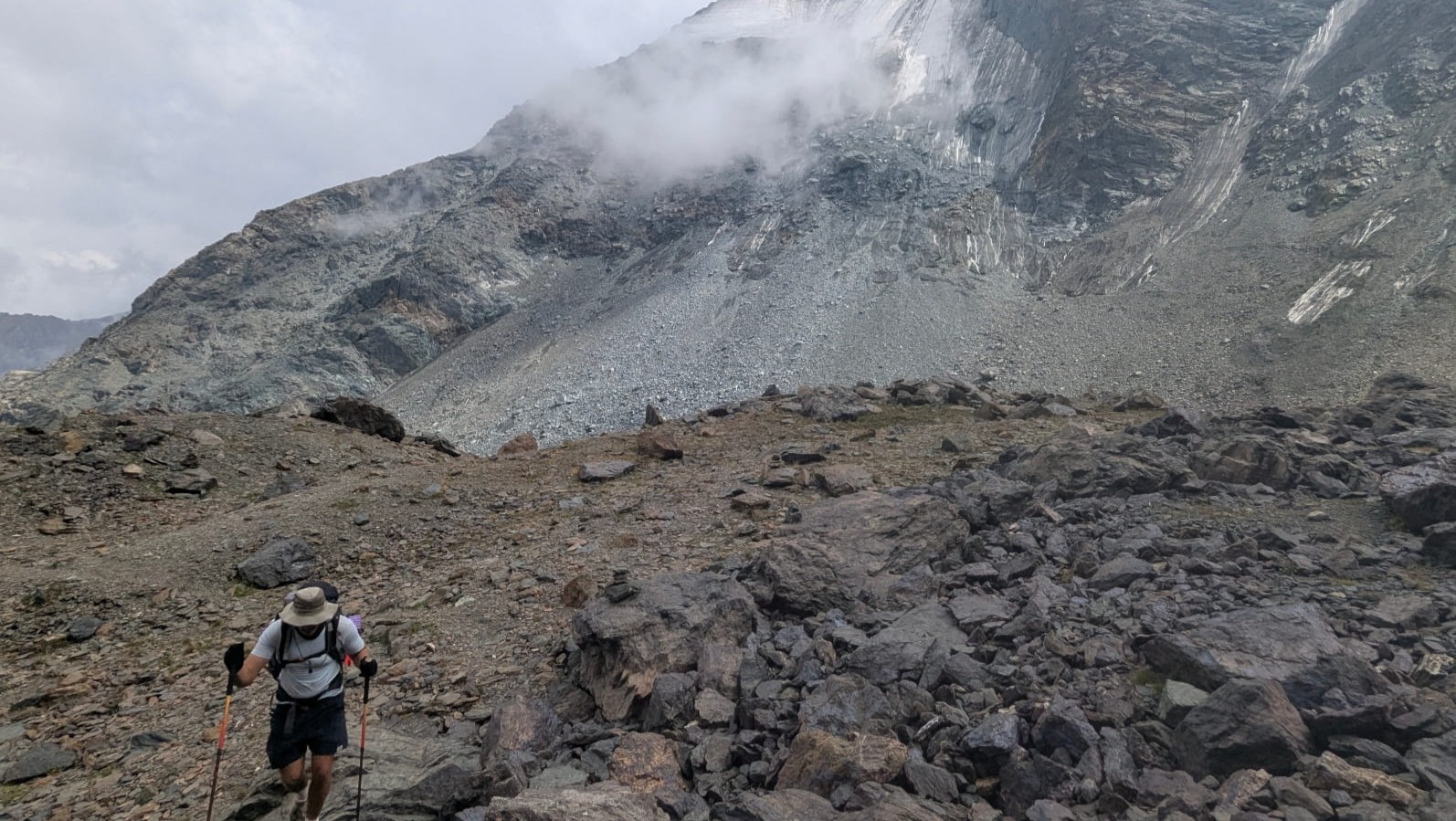
Fortunately, compared with heavily forested mountain regions like Nepal or parts of India, navigation in Kyrgyzstan is generally more straightforward. Much of the landscape consists of open valleys, high plains, and broad mountain passes, meaning visibility is often excellent.
That said, trails can still be faint, split into multiple livestock tracks, or disappear entirely in bad weather.
Our Tips for Effective Navigation in the Tien Shan
- Download Offline Topographic Maps: This is absolutely essential. Cell service in remote parts of the Tien Shan is extremely limited, so you should never rely on internet access for navigation. Apps such as Gaia GPS, Organic Maps, or Maps.me can be incredibly useful when paired with downloaded offline topographic maps.
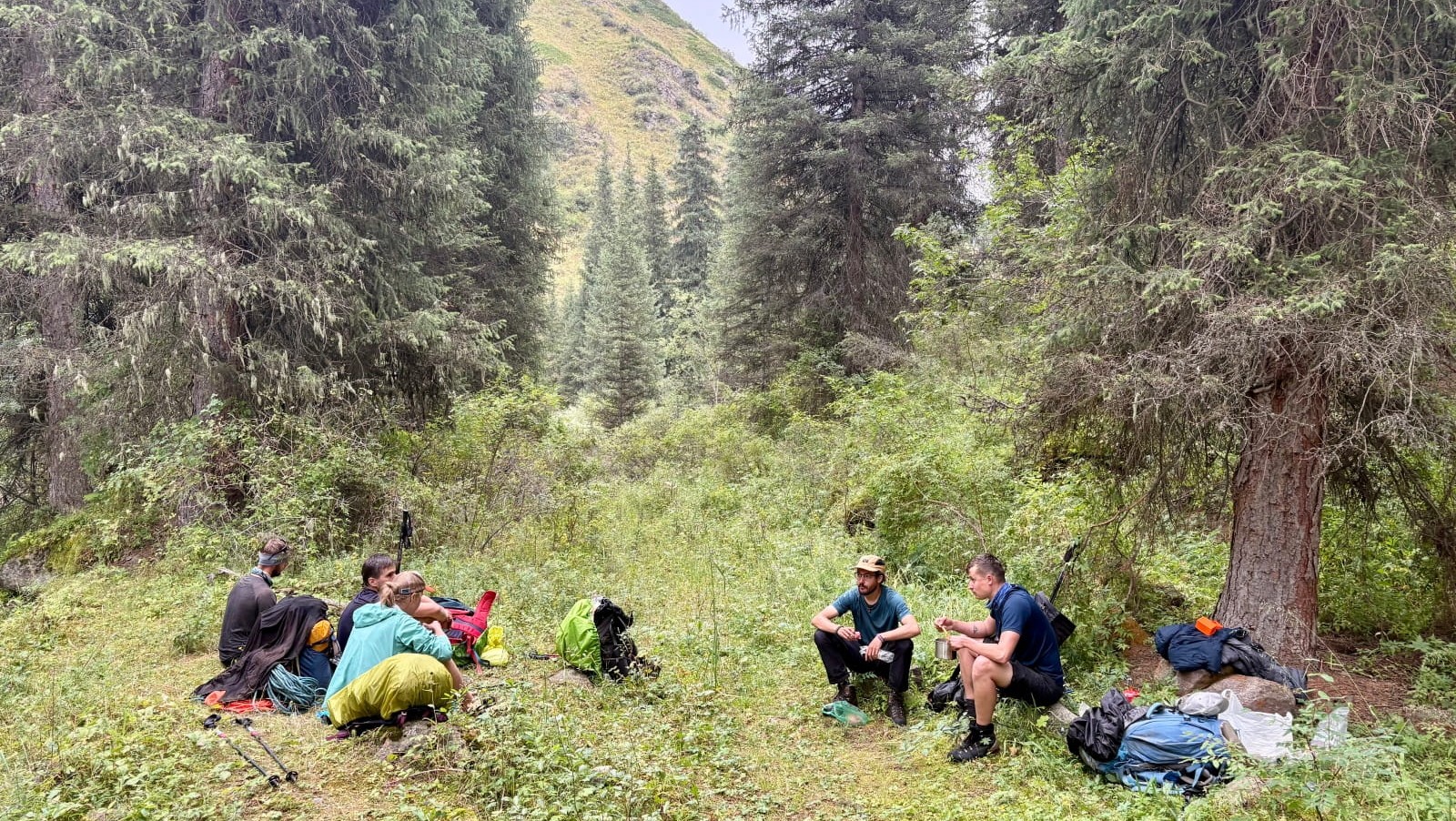
- Ask Shepherds for Help: One of the best resources in the Tien Shan is the local shepherds themselves. Nomadic camps are scattered throughout the mountains and it is surprisingly rare to spend an entire trekking day without seeing at least one shepherd family. Because of their seasonal migrations through valleys and mountain passes, shepherds usually know the surrounding terrain exceptionally well. If there is a pass connecting two valleys, there is a good chance they have moved livestock across it many times before. If you are uncertain about a route or feeling lost, do not hesitate to ask for help. Even if you do not speak Russian or Kyrgyz, you can usually communicate surprisingly effectively using maps, gestures, and a few basic words.
- Have an Emergency Exit Plan: Let’s be honest, not every trek goes according to plan, and it is important to always have emergency exit options in mind. There have been many times in Kyrgyzstan where I have planned long multi week traverses, only for severe weather, high river levels, or damaged bridges to completely change those plans. Flexibility is an important part of trekking safely in the mountains.
Fortunately, one advantage of trekking in Kyrgyzstan is that many valleys provide relatively straightforward escape routes back to civilization if needed. As you descend into the lower sections of most valleys, dirt roads and 4WD tracks often begin to appear. These are commonly used by shepherds moving livestock through the mountains during the summer season. In many cases, these roads eventually lead to small villages or towns at the base of the range.
A good example is the Terskey Ala-Too, Kyrgyzstan’s most popular trekking region. The mountain range consists of a network of alpine valleys that gradually descend toward Lake Issyk-Kul. At the base of many of these valleys are small settlements connected by roads, which eventually lead to larger towns along the lake shore. Before starting any trek, it is worth identifying possible exit valleys, road access points, and settlements along your route. Even a basic understanding of these options can make decision making far easier if conditions deteriorate or plans unexpectedly change.
Risk 5: River Crossings
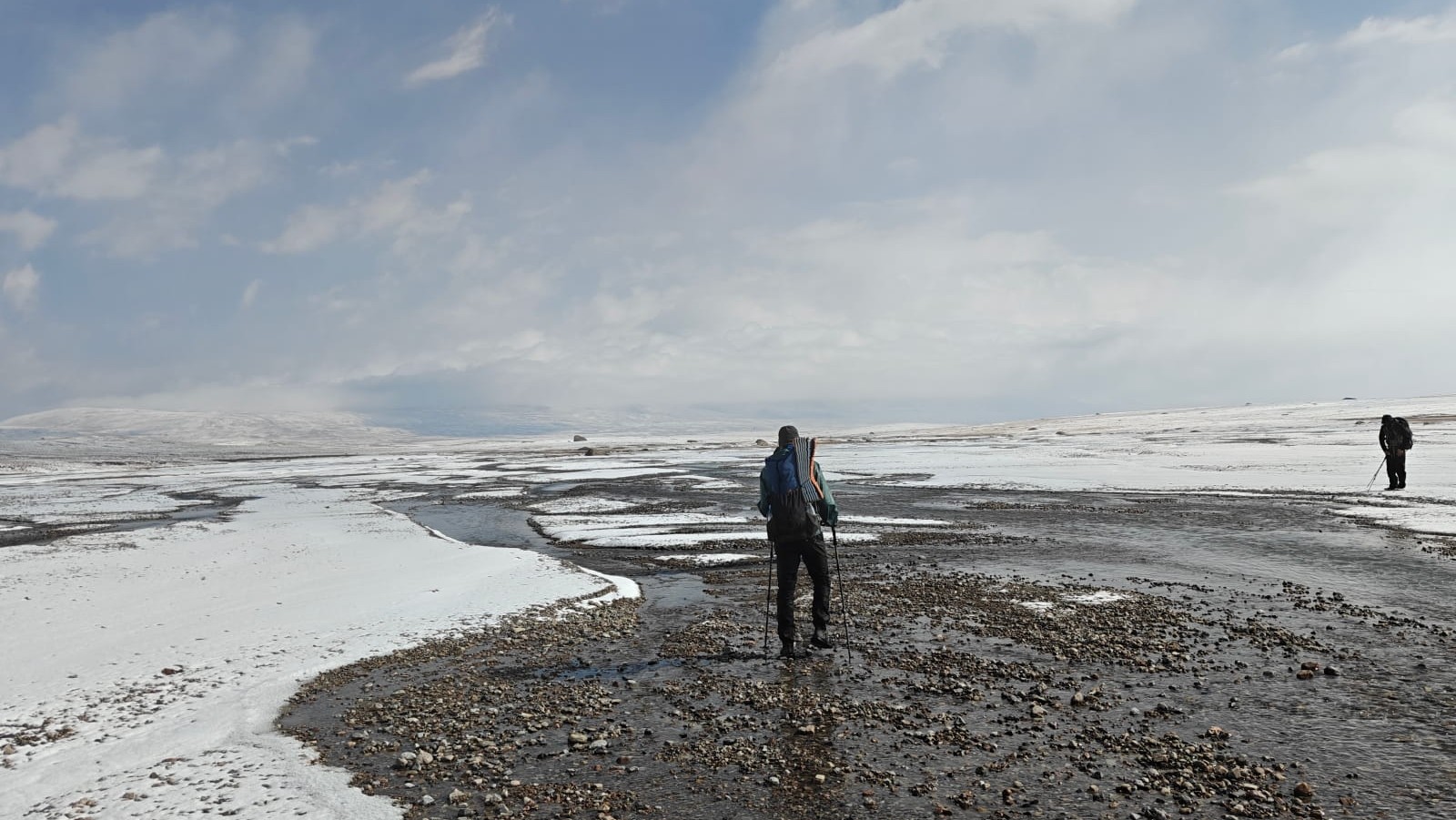
River crossings are a major part of trekking in Kyrgyzstan and, beyond the country’s most popular routes, it is very likely you will have to ford rivers during your trek.
Bridges do exist throughout the Tien Shan, but they are far from guaranteed in remote valleys, especially in areas with little seasonal shepherd activity. And it is worth remembering that many shepherds travel on horseback rather than on foot, so there is often less need for permanent bridges in the mountains.
During periods of snowmelt or after heavy rain, rivers can become one of the most serious objective hazards on a trek.
Our Tips for Safely Crossing Rivers in Kyrgyzstan
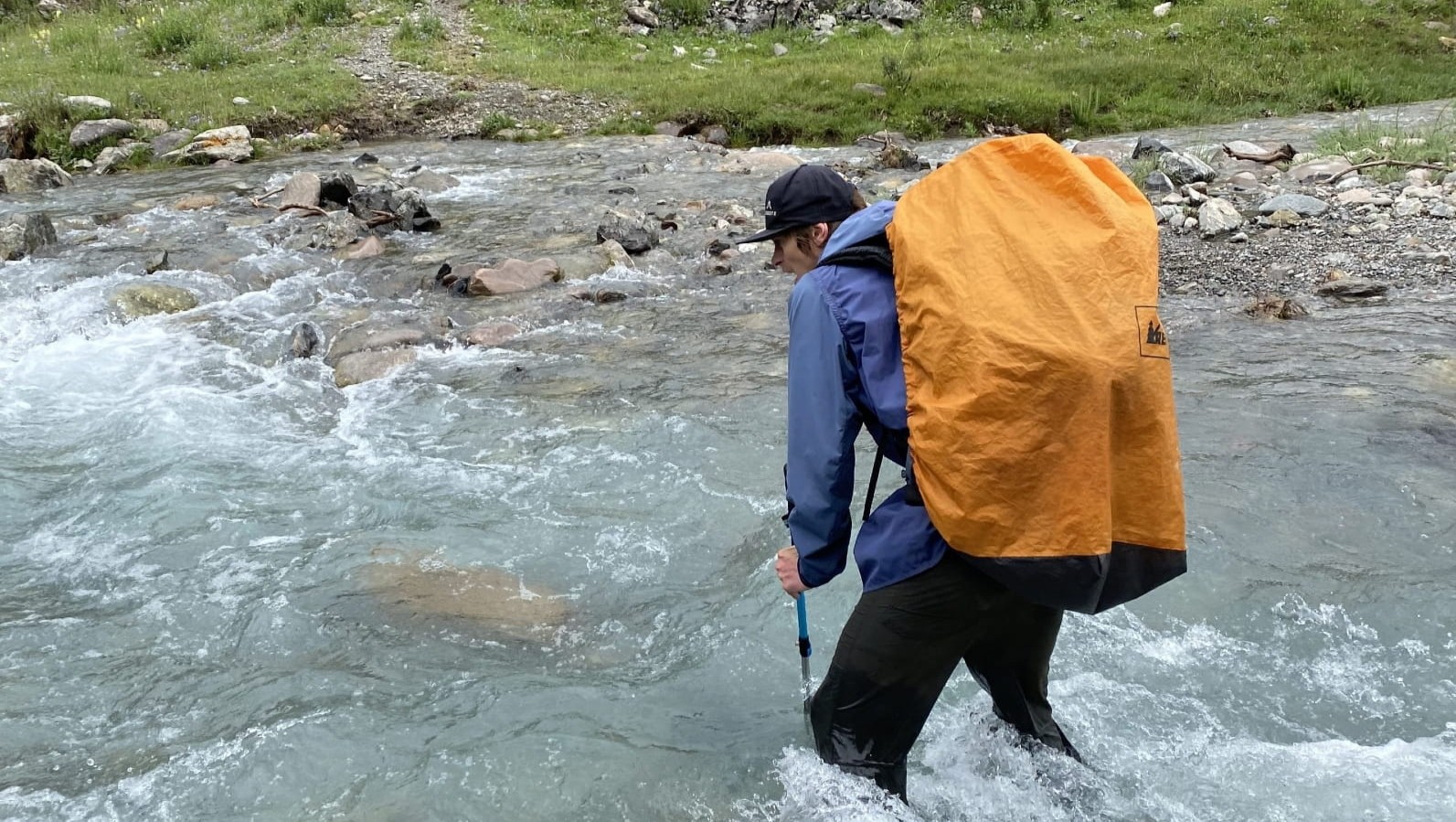
- Carry Trekking Poles and River Crossing Footwear: Trekking poles are one of the most useful pieces of gear you can carry in Kyrgyzstan, particularly for river crossings. By increasing your points of contact with the riverbed, poles provide significantly more stability and reduce the likelihood of slipping in strong current. It is also worth carrying lightweight sandals or river shoes for crossings. Ideally, use footwear that straps securely to your feet so you do not lose them in the current. Crossing barefoot is generally a bad idea due to slippery rocks, cold glacial water, and the risk of foot injuries. Using sandals also prevents your hiking boots or trail runners from becoming soaked for the rest of the day, which can quickly lead to discomfort and blisters.
- Cross Rivers Early in the Morning: Most major rivers in Kyrgyzstan are glacial-fed. As temperatures rise throughout the day, glacier melt increases, feeding more water into the river systems and often making crossings noticeably deeper and faster by the afternoon. If possible, I strongly recommend camping near major crossings so that you can tackle them early the next morning when water levels are typically at their lowest.
- Know Your Limits: If a river feels too deep, fast, or dangerous to cross, do not force it. Turning around or changing plans is always the better option compared with risking a serious accident in fast-moving water. One advantage of trekking in Kyrgyzstan is that many valleys have shepherd trails running along both sides of the river, often with yurt camps scattered throughout the area. In some situations, continuing further down valley may eventually lead to bridges, safer crossing points, or settlements. And occasionally, shepherds may even help you cross on horseback if asked respectfully. Many are incredibly generous and willing to assist travellers in the mountains.
Essential Safety Gear for Trekking in Kyrgyzstan
- Waterproof jacket
- Offline maps
- Power bank
- Trekking poles
- Satellite communicator
- Water filter
- First aid kit
- Warm layers
- Sandals for river crossings
In Summary
Trekking in Kyrgyzstan is an incredible experience and one of the most rewarding mountain adventures anywhere in the world. But like any serious trekking destination, it comes with genuine risks that should be understood and respected.
The good news is that most of these risks can be managed with proper preparation, good decision making, and a flexible mindset in the mountains.
Whether it is weather, river crossings, altitude, or navigation, taking the time to plan ahead and trek conservatively will go a long way toward keeping your experience both safe and enjoyable. Kyrgyzstan remains one of the world’s last truly wild trekking destinations, and that sense of remoteness is exactly what makes it so special.
If you have any further questions about trekking safety in Kyrgyzstan, feel free to get in touch with us through our contact page. We are always happy to help fellow trekkers prepare for the mountains.